About Us
Astonishing Nuwara Eliya
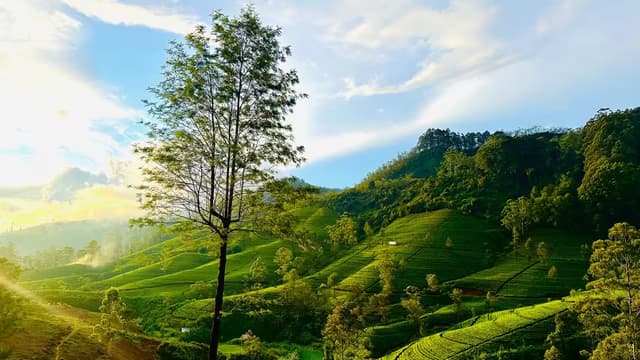
The Little England of Sri Lanka — nestled amidst mist-covered mountains, verdant tea estates, and cool highland air.
Our Heritage
A Historic Retreat
Although the area was inhabited for centuries, Nuwara Eliya was officially "discovered" for the British by Dr. John Davy in 1818. By the late 1820s, Governor Sir Edward Barnes began its transformation into a fashionable hill station, serving as a sanctuary for British officials eager to escape the tropical heat.
The legendary English explorer Samuel Baker greatly advanced the settlement in 1846 by establishing "Baker's Farm," bringing English agricultural practices to the highlands. To this day, the town preserves its distinct Victorian and Tudor-style architecture—characterized by red-brick facades, gabled roofs, and cozy fireplaces—earning it the enduring nickname, "Little England."
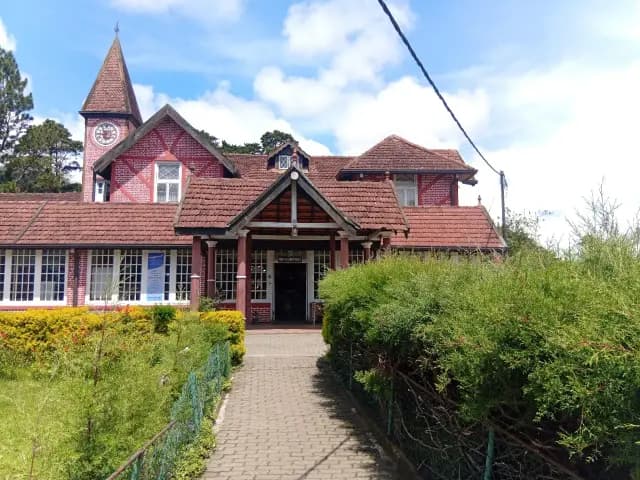
"As you wander through its quiet streets, you’ll discover beautiful gardens, vibrant flowerbeds, and charming cottages with Tudor-style facades. The centerpiece of Nuwara Eliya is Gregory Lake, where you can enjoy boat rides while surrounded by majestic hills. The area is also known for its rich tea culture, with the rolling hills dotted with bright green tea fields that stretch as far as the eye can see. "
Nature's Bounty
Misty Peaks & Estates
The geography of Nuwara Eliya is as dramatic as it is beautiful. Surrounded by towering emerald mountains and plunging valleys, the cool, misty climate creates an environment unlike any other in South Asia.
This unique altitude gave rise to the legendary Ceylon Tea industry, replacing previously dominant coffee plantations in the late 19th century. The rolling estates, dense forests, and plunging waterfalls not only offer stunning vistas but support a rich biodiversity, making it a timeless sanctuary for naturalists and adventurers.